By Alan Gregory | October 18, 2021 | 5 minutes of reading
It can be easy to get lost in all the jargon associated with tax returns, from trying to understand if a tax return is required, to deciphering when a tax return must be filed and any associated taxes paid.
This article provides a comprehensive overview of personal and business tax returns, answering key questions such as what a tax return is, when returns need to be submitted to HMRC and what changes are coming to tax returns. income.
Tax Returns Explained
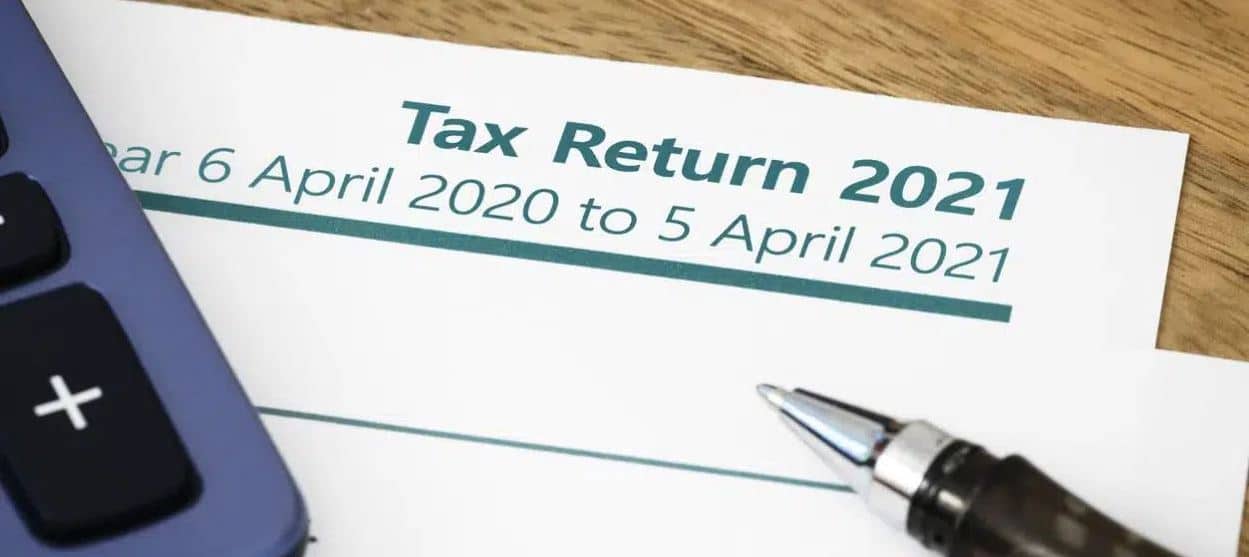
Essentially, a tax return is a form which tells HMRC the amount of income a taxpayer should be assessed on in a tax year. A return also allows a taxpayer to include all eligible deductible expenses and make any relevant claims that may reduce their overall tax liability.
For income tax purposes, a tax year runs from April 6 to the following April 5. For Corporation tax To this end, a financial year runs from April 1 to the following March 31.
What is a professional tax return?
The answer depends on the type of business you run.
Generally, an individual can operate his or her business as a sole trader, through a corporation, or as a partner in a partnership.
Each of these types of entities reports its results for a tax year using different tax returns. Individuals report their income via self-assessment while businesses prepare corporate tax returns. The process for individuals and businesses is described below.
Self Assessment Tax Returns
Individuals file a “self-assessment tax return”. The SA100 form is the main part of the tax return, but other pages may be required depending on the taxpayer’s circumstances.
Examples of additional pages include those for employees or company directors (SA102), self-employed people (SA103S or SA103F), UK property income (SA105) and capital gains (SA108).
A full list of additional pages can be found here.

Corporate tax returns
A company prepares a corporate income tax return, known as a CT600. In addition to the CT600, there are additional pages for reporting additional items, from closed business loans (CT600A) to group relief (CT600C).
A corporation tax return is usually accompanied by a corporation tax calculation as well as a copy of the company’s accounts for that period.
Does everyone have to file a declaration?
In short, no. Not everyone is required to file a tax return.
Many people, for example, only earn employment income. Since a person’s salary tax is collected through Pay As You Earn (usually abbreviated to PAYE), these individuals generally do not need to file a tax return (unless they earn more than 100,000 £ per year).
However, some people have sources of income outside of their jobs. This could come from investment property, self-employment income, or dividend or interest income. These individuals may be required to file a self-assessment return.
If you need to file a return, you may feel comfortable doing it yourself, but an accountant can also do it for you. Take a look at our recent blog where we discuss when it’s worth hiring an accountant to do your taxes.
How do I know if I need to submit a request?
Those already in self-assessment receive a “Deposit Notice” from HMRC each tax year.
Those who are unsure whether they need to file a tax return can use HMRC’s toolcheck if you need to send a self-assessment tax return”, which can tell you if you need to file tax returns.
If you are new to self-assessment, you can register with HMRC here.
When it comes to businesses, a trading company must always file a corporation tax return, even if it is loss-making in a period and/or has no corporation tax. to pay.
When are business tax returns due?
The deadline for filing a tax return differs depending on the type of tax return.
For an individual filing an income tax return by self-assessment, the filing deadline is generally either:
• October 31 following the end of the tax year (if you file a paper return), or
• January 31 following the end of the tax year (if online declaration).
A person filing their 2020-21 tax return will need to lodge it with HMRC either by 31 October 2021 (if submitting a paper return) or by 31 January 2022 (if submitting an electronic return).
The filing deadline for a business is different. A corporation tax return must generally be filed with HMRC within 12 months of the end of the relevant accounting period.
A company prepares its accounts for December 31. She must submit her corporation tax return for the year ending 31 December 2020 to HMRC by 31 December 2021.
A quick word on payment deadlines
Don’t fall into the trap of thinking that income and corporate tax payment deadlines reflect tax filing deadlines. Learn more about pay income tax And Corporation tax.
Tax filing changes loom on the horizon
Finally, when it comes to income tax, it is worth keeping in mind that significant changes are on the horizon. Two important changes include tax digitalization for Income Tax (MTD) and base period changes.

Making tax digital for income tax
The MTD for income tax is expected to be introduced from April 6, 2024.
In short, the MTD regime for income tax applies to self-assessment income tax registrants whose qualifying income (i.e. earned income independent and/or owned) is more than £10,000.
Those covered by the scheme will need to use MTD compatible software to keep digital records, send quarterly updates of business income and expenses and submit a final return to HMRC.
MTD for Income Tax is designed to replace the traditional self-assessment tax return. Even if his term is only a few years away, it’s worth it become familiar with the diet (and maybe even join the pilot), to allow enough time for the transition.
Changes to the base period
Additionally, HMRC recently carried out a consultation on changing the way trading income is allocated between tax years by moving to a tax year basis. This change will mainly concern companies which do not prepare annual accounts by March 31 or April 5, as well as companies at the start of their activity.
Although this change is not expected to take effect until April 2024 (and with a transition year not taking effect until 2023), it is essential to understand these changes if your business is affected.
We have now answered the question “What is a tax return?” » – you may want to know how to easily file returns for your business. We advise you to research the best software for you. While you’re here, why not start by taking a look at our tax return software which helps both individuals and accounting firms. Prepare tax returns for all types and sizes of businesses, from sole proprietorships to partnerships, corporations, trusts and estates.